
Z Survivor: Backpack Shooter
Tapped LtdAction
4.41.93K Reviews
- Version
- 1.27
- Installs
- 1.00M
- Age Rating
- Everyone 10+
Screenshots
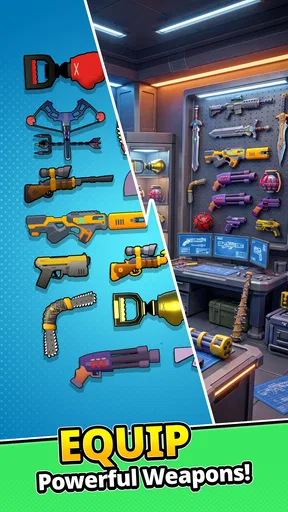
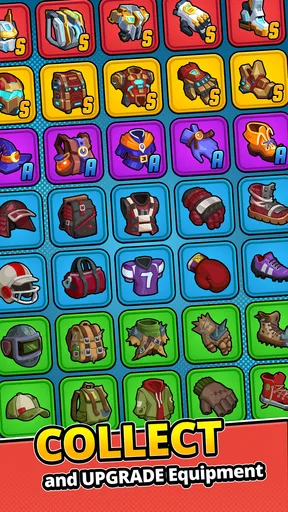
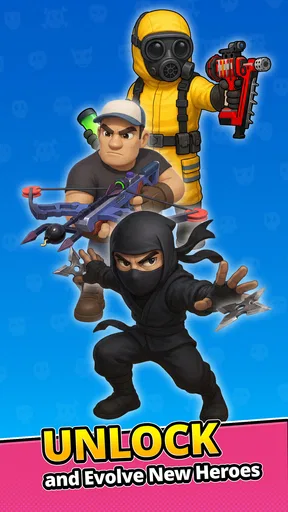

Our Review of Z Survivor: Backpack Shooter
 Analysis by Appyee
I went into Z Survivor: Backpack Shooter expecting a quick action game built around collecting useful items while trying to stay alive, and that is exactly the kind of experience it offers. The appeal is immediate: start a run, make decisions under pressure, gather what helps, and see how long the situation remains manageable before the next attempt becomes necessary. It is simple to understand, but the tension comes from how quickly a comfortable run can turn into a scramble.
That makes it a good fit for players who enjoy short, repeatable action sessions rather than a long story campaign. I can imagine opening it while waiting for an appointment, playing through a tense stretch, and putting it down without needing to remember a complicated plot. At the same time, it is not a game I would recommend to someone looking for deep character writing, a large exploration world, or a traditional competitive shooter. Its strength is the compact survival loop, not breadth.
The game is free to download, with optional purchases ranging from $0.99 to $99.99 per item. It is listed for Everyone 10+, runs on Android 6.0 or later, and comes from Tapped Ltd. Its current version is 1.27, and the game has built a 4.4 average from around 52 thousand ratings, alongside more than a million installs. Those figures suggest that the basic format has found a sizeable audience, but they do not replace the more important question: does the moment-to-moment loop keep me interested after the first few attempts?
Why the first action matters
The strongest part of the opening is how little preparation the concept needs. You are not asked to learn an elaborate control scheme before anything meaningful happens. The premise of collecting while surviving gives every early movement a purpose. I am not simply walking around waiting for an objective marker; I am looking at what can be gathered, judging danger, and deciding whether the next pickup is worth the risk of staying in the area.
That first decision is more important than it looks. A new player can easily treat every item as automatically valuable, but survival games punish that habit. The useful question is not only “Can I collect this?” It is “Can I collect this and still have enough room to react afterward?” I found that thinking one step ahead made the action feel more deliberate. A route that looks rewarding can become a trap if it leaves too little space to respond when pressure rises.
The backpack theme also gives the collection side a practical identity. Instead of feeling like a disconnected stream of tokens, pickups become part of the run’s planning. I pay attention to what I am carrying, what I am chasing, and whether the next reward improves my position enough to justify the danger. This is where the game separates itself from a basic arcade shooter: the shooting is only one part of the decision, while the other part is managing the reason I am moving through the danger in the first place.
For a first session, I recommend resisting the urge to move constantly. A frantic approach can make every encounter feel more difficult than it needs to be. Short movements, quick checks of the surroundings, and a willingness to leave a tempting pickup behind create a much more controlled rhythm. That is a useful early lesson because the game’s satisfaction comes from escaping with a worthwhile result, not from touching every possible reward on the screen.
The action also benefits from the contrast between immediate control and longer-term judgment. I can react to what is in front of me, but I also have to decide where the next few seconds should lead. That combination makes the first action accessible without making it completely mindless. Someone who only wants to aim and fire may find the collection decisions distracting, while a player who likes light strategy inside an action game will probably appreciate the extra layer.
The feedback rhythm keeps each run moving
The game’s feedback loop is built around a clear sequence: I move into danger, take action, collect something useful, and then reassess the situation. The reward arrives quickly enough to make progress visible, but the pressure does not disappear just because I made a good pickup. That balance is what gives another run its pull. I am rewarded, but I am never allowed to feel completely finished.
Good survival action needs readable feedback, because the player is making decisions quickly. Here, the important emotional beat is the change from uncertainty to temporary control. A pickup can make the current situation feel safer, yet it also encourages me to test that improvement against the next threat. The result is a repeating rise and release: tension builds, a reward provides relief, and then the game creates a reason to keep pushing.
I especially like that the reward is connected to movement rather than separated from it. In some action games, collecting is a chore between exciting fights. In this one, the act of collecting helps shape the fight itself. I have to approach the reward, decide whether to stay, and accept that the safest route may not be the most profitable. That makes the screen feel active even when I am not directly dealing with an enemy.
There is a trade-off, though. Players who prefer perfectly predictable combat may find the loop a little restless. The game asks me to alternate between aggression and caution, and the best choice can change from one moment to the next. It is not the kind of action where I can settle into one reliable attack pattern and ignore everything else. The collection pressure keeps interrupting that comfort, which is exciting when I am engaged but tiring when I want a calmer shooter.
One practical habit improved my sessions: I stopped treating every reward as a command. A valuable-looking pickup is an invitation to calculate, not an order to rush forward. If danger is already closing in, repositioning first can be smarter than collecting immediately. This small change makes the game feel less chaotic and gives the player more control over the feedback rhythm.
Rewards are most satisfying when they change the next decision
The reward system works best when I judge it by what it enables rather than by how large it appears. A reward matters because it changes the next choice. It may encourage a deeper push, make a risky route more acceptable, or give me enough confidence to keep collecting instead of retreating. That connection between reward and behavior is more interesting than simply watching a progress total rise.
This is also why I would not play every run with the same objective. Sometimes I focus on surviving cleanly and learning how the action flows. Other times I accept more danger because I want to see whether a stronger haul can justify extending the session. Switching between those goals keeps the loop from feeling like a single repeated instruction. The game becomes more engaging when I decide what kind of run I am attempting before I commit to it.
For a player new to this style, my advice is to value consistency before greed. A modest successful run teaches more than a reckless attempt that ends before the collection decisions have time to matter. Once the basic rhythm feels comfortable, taking calculated risks becomes much more satisfying because failure has a clear cause. I can look back and identify the moment I stayed too long, chose the wrong route, or prioritized a reward over escape.
The reward loop also explains why the game can work in short bursts. I do not need a large uninterrupted block of time to feel progress within a session. The action gets moving quickly, the collection goal is easy to understand, and the run naturally creates a stopping point when survival breaks down. That makes it suitable for casual play, although players who prefer a strong sense of permanent progression may want more than this compact format provides.
There is a psychological catch to this structure: a successful run can make the next attempt more tempting than the previous one. I finish with the feeling that I understood the situation, then immediately notice the one decision I could improve. That is a good reason to start again, but it can also encourage repetitive play without much reflection. I get more from the game when I pause briefly after a failed run and identify one specific adjustment instead of restarting automatically.
What changes when a session resets
The reset is central to the experience rather than an interruption. When a run ends, the disappointment is softened by the knowledge that the next attempt begins quickly. I am not waiting through a long narrative sequence or rebuilding a complicated setup. The reset turns failure into information: I now know which choice created pressure, which reward was not worth the danger, and where my movement became too hurried.
That structure is friendly to experimentation. I can try a safer route, change how aggressively I collect, or simply focus on surviving longer without feeling that one mistake has ruined a lengthy campaign. The cost is that the game can feel repetitive if the player does not enjoy refining small decisions. Its replay value comes from improving the loop, not from constantly discovering a new story destination.
This is the point where I would separate the game from larger action alternatives. A traditional campaign shooter is usually built around authored missions, set pieces, and a clear sequence of events. Z Survivor: Backpack Shooter is more about the quality of the current attempt. A large roguelike may offer more elaborate build variety and deeper long-term combinations, while this game is easier to pick up and less demanding to learn. A pure endless runner may be more focused on reflexes, but it does not place the same emphasis on collecting as a survival decision.
That comparison helps define who should skip it. If you want a persistent world that changes dramatically from session to session, you may find the reset too familiar. If you dislike repeating a compact loop until your decisions improve, the game will probably lose its appeal quickly. I would also look elsewhere if your main priority is a detailed multiplayer experience, because the attraction here is the personal challenge of managing action, collection, and survival in one run.
On the other hand, the reset is excellent for a player who wants low-friction entertainment. I can play while commuting, during a short break, or at the end of the day when I do not want to follow a complicated plot. A realistic everyday use is a ten-minute session in which I attempt one careful run, fail because I stayed too close to danger, and immediately try again with a clearer plan. That second attempt feels meaningful because the lesson is still fresh.
The free entry point helps with that casual role, but the in-app purchase range deserves a sensible approach. I would play the core loop first and decide whether the repeated action genuinely holds my attention before spending anything. The game’s value depends more on whether I enjoy its reset-and-retry structure than on the promise of adding more to a single run. Players who feel pressured by optional purchases should set a personal limit in advance and treat spending as unnecessary to the basic decision about whether the game is fun.
Small habits that make the loop more enjoyable
My first useful habit is to separate collection routes from escape routes. Before moving toward a reward, I try to notice where I would go if the situation became dangerous. That simple mental map prevents a common mistake: entering a tight space for a reward and then discovering that the safest exit is blocked by the same pressure I was trying to avoid.
The second is to use the beginning of a run as a calibration period. I do not immediately assume that the safest-looking movement is always best. I watch how quickly danger develops, how much time I have to react, and how much attention collection demands. Learning that rhythm early makes later choices less impulsive. This is especially helpful for new players who initially feel that every threat arrives at once.
My third tip is to judge a run by its decision quality, not only by its result. A failed attempt can still be productive if I tested a route or learned the cost of overcommitting. Conversely, a successful run may teach very little if I simply moved cautiously without understanding why it worked. Thinking this way reduces frustration and gives the reset a clearer purpose.
I also recommend changing the pace deliberately. Staying aggressive creates exciting sessions, but slowing down before a risky pickup often produces better results. The game is more interesting when I alternate between those modes rather than playing at maximum speed from the first moment. That contrast makes the reward feel earned and gives the action a stronger shape.
Finally, I would avoid judging the experience from one unusually good or bad run. The loop is designed around repetition, so a single attempt can exaggerate either the excitement or the irritation. After several sessions, I get a more accurate impression of whether I enjoy making small survival decisions under pressure. That is the right test for this game, because its appeal is not a one-time surprise; it is the desire to improve the next reset.
My verdict on the action-to-reset cycle
What keeps me returning is the clean chain from action to feedback, reward, failure, and another attempt. I begin by moving toward a useful target, respond to immediate danger, receive a reason to continue, and then decide whether the improved position justifies more risk. When the run ends, the reset is quick enough that the lesson remains active. That is a well-formed loop, and it gives the game a stronger identity than its short store summary suggests.
The experience is not flawless. Its compact structure can become repetitive, and players who want a campaign, extensive exploration, or a more traditional shooter may find the collection pressure gets in the way. The free-to-play format also means I would approach optional purchases carefully rather than assuming they are necessary. Still, those limitations are easier to accept when the central loop matches what I came for.
I would recommend it to someone who likes action games with light survival planning, quick restarts, and rewards that influence the next decision. I would especially suggest it to a casual player who wants a game that can be understood quickly but still rewards better judgment after repeated attempts. I would skip it if repetition feels like a chore or if your ideal action game is built around story missions and permanent world progression.
For me, the best reason to try it is not simply that it is free or widely installed. It is that the game makes a small number of choices feel immediate: collect now or move away, push forward or preserve the run, act quickly or create room first. When those choices line up, the feedback is satisfying and the next session feels deserved rather than automatic. If you enjoy turning a failed run into a better plan, this is a compact action game worth keeping installed.
In the end, Tapped Ltd has delivered a focused survival shooter whose personality comes from repetition with purpose. The first action is easy to enter, the feedback arrives quickly, the rewards create fresh temptation, and the reset gives every mistake another chance to become useful. That makes it a modest but effective choice for short Android sessions, provided you are comfortable with a loop that asks you to improve through practice instead of carrying you through a large adventure.
Verdict
Strengths of Z Survivor: Backpack Shooter
- Simple controls make shooting and movement easy to learn.
- Backpack organization adds strategy to every run.
- Short sessions work well for quick mobile gaming.
- Weapon upgrades create a satisfying sense of progression.
- Bright visuals keep the battlefield easy to read.
Limitations of Z Survivor: Backpack Shooter
- Random loot can make some runs feel dependent on luck.
- Inventory management may become repetitive over time.
- Enemy variety may feel limited during longer play sessions.
- Progress can slow down without frequent upgrades or rewards.
- Ads or optional purchases may interrupt the overall flow.
Similar Picks in This Category
View All
Temple Run 2: Endless Escape
Imangi Studios4.1

PUBG MOBILE
Level Infinite4.3

Free Fire: 9th Anniversary
GARENA INTERNATIONAL I4.4

Talking Tom: Hero Dash Run
Outfit7 Limited4.3

slither.io
Lowtech Studios3.9

Sniper 3D:Gun Shooting Games
Wildlife Studios4.6
Frequently Asked Questions
What is Z Survivor: Backpack Shooter?
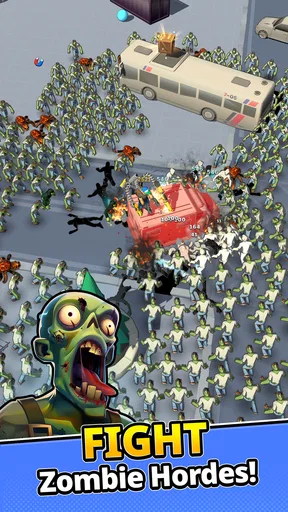
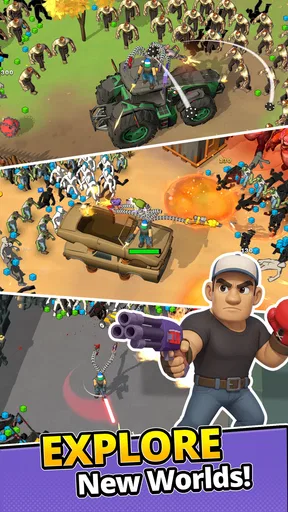
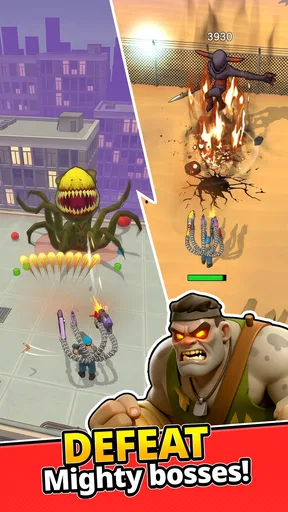
Z Survivor: Backpack Shooter is a zombie survival action game that combines automatic shooting, character movement, equipment management, and backpack organization. You fight through waves of undead enemies while collecting weapons, armor, supplies, and upgrade materials. Its main appeal is combining quick combat decisions with inventory planning, since the items you carry can significantly affect your damage, defense, and overall survival chances.
How does the backpack system work in Z Survivor: Backpack Shooter?
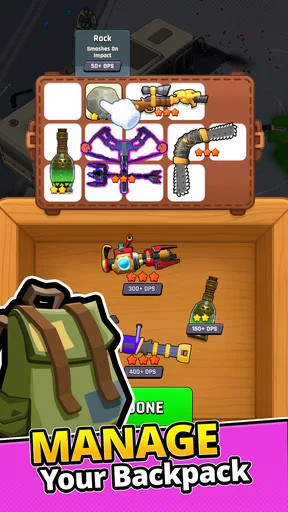
The backpack is more than a simple inventory screen. Equipment and supplies occupy limited space, so you must decide which weapons, upgrades, and resources are worth keeping during a run. Arranging compatible items effectively can improve your character’s performance, while carrying unnecessary loot may prevent you from collecting more valuable gear. Managing space becomes especially important during longer or more difficult stages.
Is Z Survivor: Backpack Shooter suitable for beginners?
Yes, the game is generally accessible to new players because its basic controls and shooting mechanics are easy to understand. Early stages introduce movement, combat, loot collection, and equipment upgrades gradually. However, the difficulty increases as enemy groups become stronger and more numerous. Beginners should learn to prioritize useful equipment, avoid being surrounded, and improve their build instead of simply collecting every available item.
Does Z Survivor: Backpack Shooter require an internet connection?
The connection requirements may vary depending on the version installed and the feature being used. Core gameplay can sometimes be available without a constant connection, but online events, advertisements, cloud-related functions, rewards, updates, or account synchronization may require internet access. Before playing offline, it is best to test the game after installation, since some content or progress-related services may not work without connectivity.
Is Z Survivor: Backpack Shooter free to download and play?
Z Survivor: Backpack Shooter is typically offered as a free download, allowing players to begin playing without purchasing the application. Nevertheless, free-to-play games may include optional advertisements, in-app purchases, premium currency, or paid bundles that can accelerate progress or provide additional resources. You can usually enjoy the main survival experience without spending money, but patience and careful equipment management may be needed for steady advancement.
Play our best games!


